
Resources
Articles and worksheets for neurodivergent teens, parents, and adults — the same practical, no-fluff approach I bring to coaching, in a form you can read or print anytime.

Subscription
New articles every month, $35/mo
Full access to every article — new and archived — written for the specific, practical questions teens, parents, and adults bring to coaching. Cancel anytime.
- Full library of past and future articles
- New articles added monthly
- Practical, first-person, no generic advice
Already a subscriber? Sign in
Free to read now
From the archive

Parents · Students · June 3, 2026
How to reduce homework battles
Homework battles build gradually — and they ease when the focus shifts from constant reminders to predictable routines and systems that support independence.

Emotional Regulation · Parents · April 3, 2026
Why some teens shut down when they feel overwhelmed
Shutting down is rarely defiance. It's often a protective state — and reducing input helps the nervous system regulate before problem-solving becomes possible again.

Coaching · Guidance · March 11, 2026
Coaching, therapy, or tutoring: What's the difference for teens?
Therapy focuses on mental health, tutoring on academic content, and coaching on skills and systems — and coaching often works well alongside both.

Burnout · Adults · February 9, 2026
Neurodivergent burnout in adults: recognizing it and finding your way back
It isn't ordinary tiredness, and a vacation doesn't fix it. What neurodivergent burnout looks like from the inside, and what recovery actually requires.

Executive Functioning · Parents · December 30, 2025
Executive function skills for teens: A practical guide for parents
Treat executive functioning as a set of skills that can be practiced, not a personality trait — and support it with visible systems, one skill at a time.

Autism · Parents · December 8, 2025
What Autistic teens often wish adults understood
For many Autistic teens the challenge isn't effort — it's translation. Making hidden expectations explicit changes everything.

Neurodivergence · Adults · October 15, 2025
A late Autism or ADHD diagnosis in adulthood: making sense of it
A diagnosis at 28 or 45 rewrites decades of story at once. What the first year tends to hold, and how to move through it with self-compassion.

Executive Functioning · Students · September 10, 2025
Seven executive functioning strategies for neurodivergent students
Strong executive functioning skills don't always come naturally — here are seven strategies that help, plus how parents and coaching can support them.

Guidance · Going to College · August 12, 2025
5 things parents of Autistic teens should know about the transition to college
The transition to college brings new environments, social dynamics, and independence all at once. Here's what helps Autistic teens thrive.
Included with the subscription
The subscriber library

Executive Functioning · Tools · October 2, 2026
Executive function tools that actually help neurodivergent teens
The most effective executive function support makes responsibilities visible and structured outside the brain — these are the tools neurodivergent teens and families actually find helpful.

Parents · Guidance · September 17, 2026
What teens actually need from adults
Teens don't simply need instruction. They need psychological safety, clear expectations, predictable structure, opportunities for independence, and relationships built on curiosity.

Parents · Guidance · September 1, 2026
A parent's guide to supporting teen growth
Growth during adolescence is uneven and highly individual. Parents move between teacher, coach, and supporter — with structure, patience, and room for mistakes.

Going to College · Autism · August 18, 2026
Why some teens thrive after high school — and why others struggle
The difference often has less to do with intelligence or motivation and more to do with how well a teen's environment matches their needs and skills.

Going to College · Executive Functioning · August 6, 2026
The role of executive function in college readiness
Many students struggle in college not because they lack knowledge, but because they lack systems. Practicing them in high school makes the transition far easier.

Communication · Neurodivergence · July 22, 2026
Helping neurodivergent teens communicate their needs
Broad questions like 'What's wrong?' can be hard to answer. Specific questions, writing, and visual supports give teens more ways to express themselves.

Self-Advocacy · Independence · July 7, 2026
How teens learn self advocacy
Self-advocacy starts with recognizing patterns in your own experience — then practicing the language to communicate them, in low-pressure settings first.

Going to College · Independence · June 18, 2026
Life skills every teen should practice before college
Academic preparation matters, but everyday life skills often determine whether the transition to independence feels manageable — and they develop best through practice.

Coaching · Parents · May 21, 2026
When families consider coaching for their teen
Coaching becomes helpful when the goal shifts from solving individual problems to building long-term skills — and it works best when teens are invited in, not forced.

Neurodivergence · Parents · May 4, 2026
Talking to teens about neurodivergence
Many teens benefit from understanding how their brain works. The goal isn't to define them by a diagnosis — it's to give them language and tools.

Executive Functioning · Tools · April 14, 2026
Helping teens manage time and deadlines
Time management isn't a simple matter of responsibility — it's several executive function skills working together, and external tools that make time visible help most.

Guidance · Independence · March 26, 2026
How teens build confidence over time
Confidence rarely appears all at once. It grows through competence, autonomy, and reflection — experience, more than reassurance.

Executive Functioning · Parents · March 16, 2026
How to help your teen start tasks without conflict
Task initiation is one of the most common executive function challenges. Shrinking the entry point and replacing directives with curiosity invites collaboration instead of confrontation.

Autism · Students · February 24, 2026
Supporting Autistic teens in school
School environments demand constant interpretation. Clarity, predictability, and respect for social energy help Autistic teens' strengths emerge.

Motivation · Parents · February 5, 2026
How to talk to your teen about motivation
Move away from 'Why aren't you motivated?' — exploring the environment around the task shifts the conversation from blame to problem-solving.

Autism · Guidance · January 21, 2026
Late Autism diagnosis in teens: What families often experience
A late diagnosis can bring relief and uncertainty at once. It doesn't change who a teen already is — it provides a framework for moving forward with clarity and compassion.

Executive Functioning · Students · January 8, 2026
Why bright teens often struggle with homework
Academic ability doesn't guarantee academic performance. Task initiation, working memory load, and emotional associations with schoolwork explain the gap.

Independence · Parents · December 17, 2025
Helping teens build independence without constant conflict
Independence rarely develops through pressure alone. It grows from predictable structure, ownership of outcomes, and a relationship that isn't built entirely on correction.

Motivation · Executive Functioning · November 13, 2025
Why 'motivation' is often the wrong problem to address
What looks like a motivation problem is often executive functioning under strain — and shrinking the starting point helps more than asking teens to feel motivated first.

Friendships · Social Skills · August 28, 2025
How to help your Autistic teen build friendships in high school and beyond
Navigating social connections can feel overwhelming for Autistic teens. Here's how parents can support real friendships without forcing them.
Buy once
Worksheets
ADHD Toolkit
$5.00
One bundle, every printable worksheet — including new ones as they’re added.
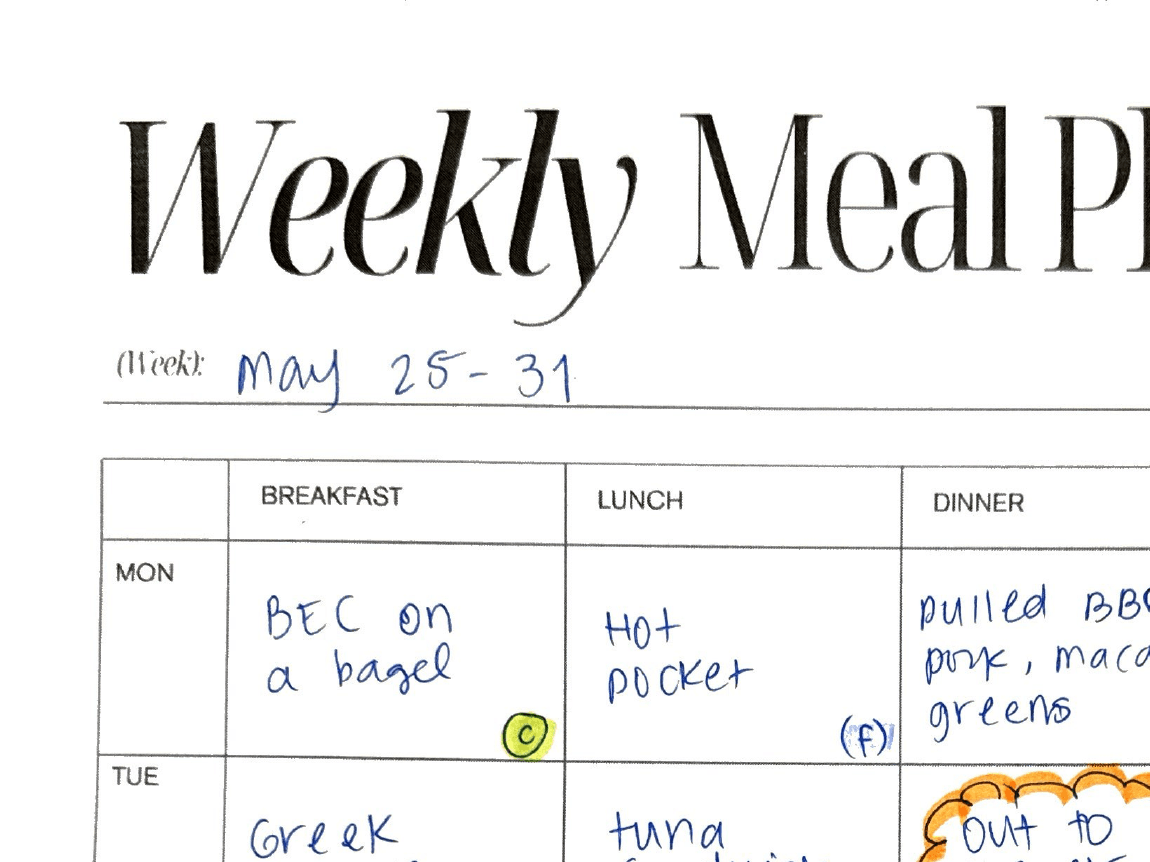
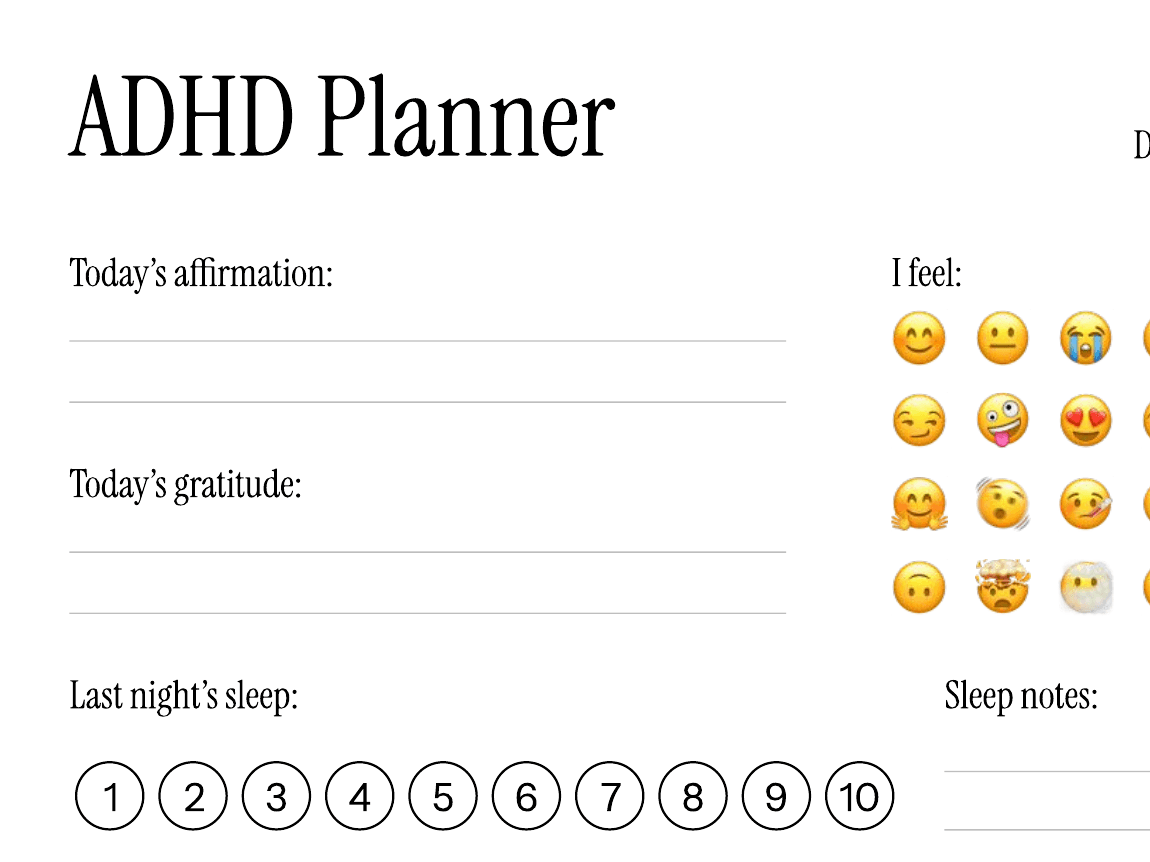
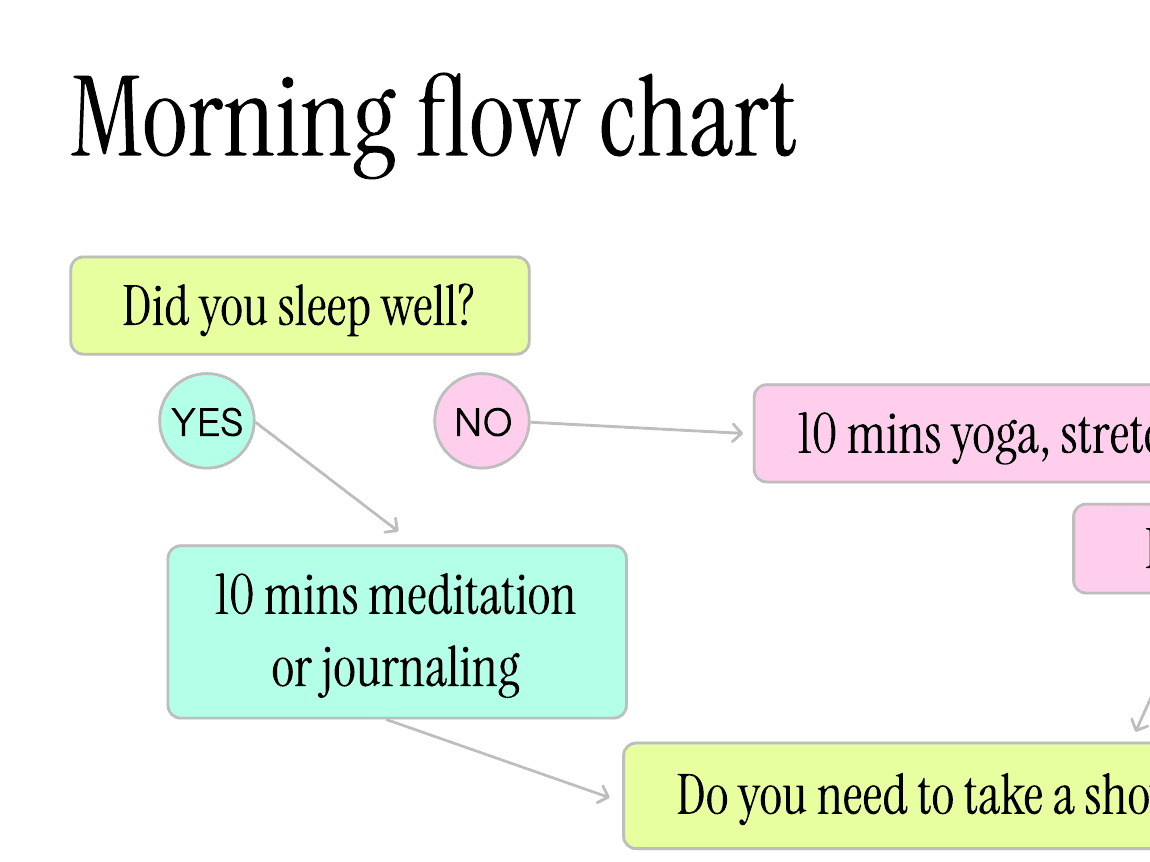
Practical, printable tools for planning meals, days, and mornings without the decision fatigue — all together in one bundle.
- Weekly Meal Planner — breakfast, lunch, dinner, and snacks on one undated page
- ADHD Planner — daily mood, sleep, routines, and a running to-do list
- Morning Flow Chart — a colorful, decision-based chart for low-friction mornings
- Every worksheet added later, at no extra cost
Playbook series
A Neurodivergent’s Guide to Neurotypical Expectations
Distilling exactly what the unspoken expectation is, and how to go about getting the correct information — one volume at a time.
Nothing below is purchasable yet — here’s what’s coming.
In progress
Starting at a New Company: The First 90 Days
The ramping-up decode, the 1:1 tour, your own user manual, the 30/60/90, and how to build influence early.
Tech Interviews: The Whiteboard Exercise
BARS, the interviewer's rubric, two design brief templates, the insider view, and the verbal variant.
Committed, not yet drafted
The Resume: Think Like a Recruiter
Decoding metrics-in-bullets, how to actually gather your own metrics, and how recruiters really read a resume.
Tech Interviews: Behavioral Questions & the Rubric
Rubric-scored interviews, the five-attributes sticky-note system, and building a reusable story bank.
Also planned
Disclosure and accommodations · Meetings decoded · Performance reviews and promotion · Networking without lying to yourself · The recruiter screen and offer negotiation
Unlock the whole series
Coming soonOne price unlocks every volume — including new ones as they’re published.
Already working with Holly? These resources are free after you book a paid session.
Spoonwise
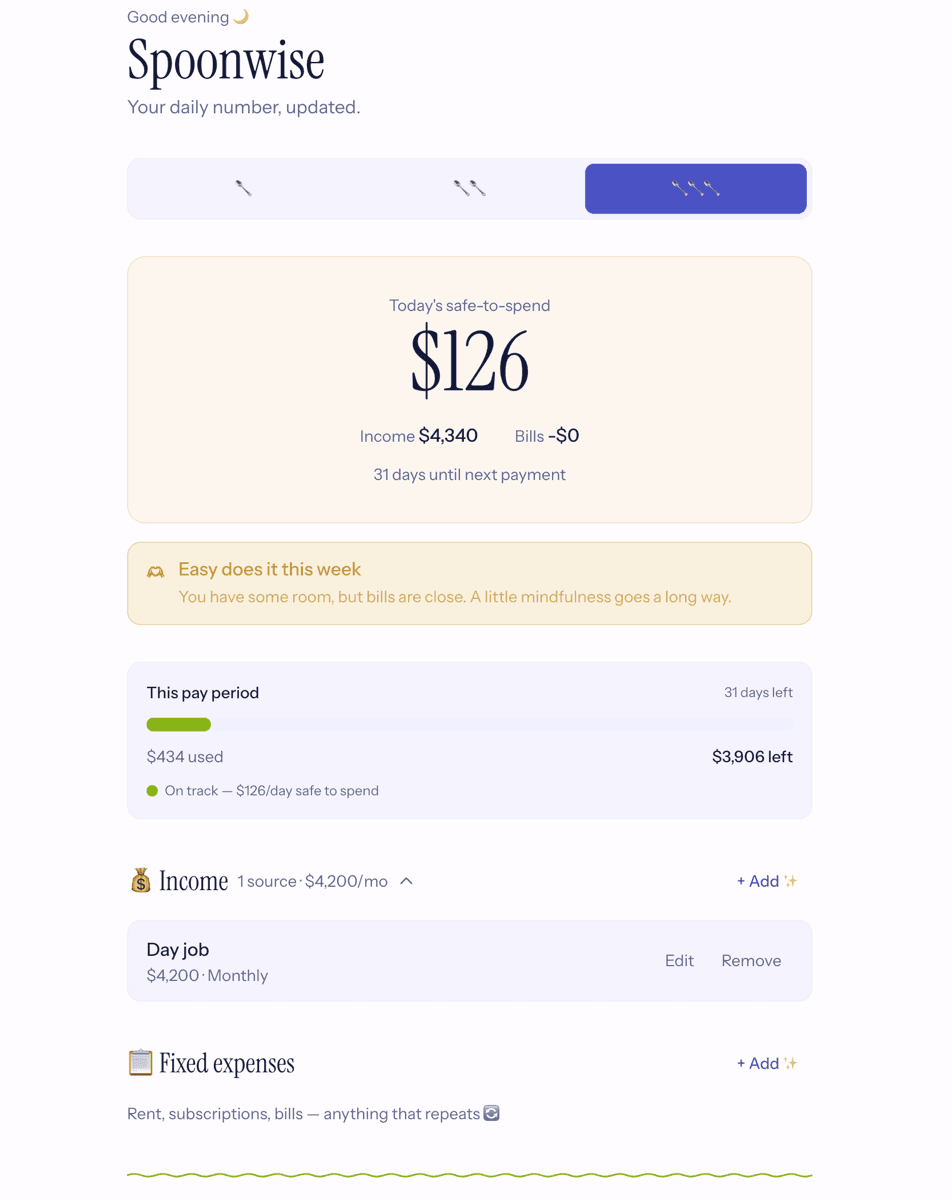
Coming soonA calm, shame-free daily budgeting app built for neurodivergent folks — one honest number a day for how much you can safely spend, with three “spoons” views so you control how much detail you see. It also teaches teens the basics of credit cards and bank accounts.
One-time purchase to unlock forever — and a free seat if you’re a coaching client.
Not sure where to start?
A free consult is the fastest way to figure out whether coaching, a subscription, or a single guide is the right fit.
Schedule a free consultation